

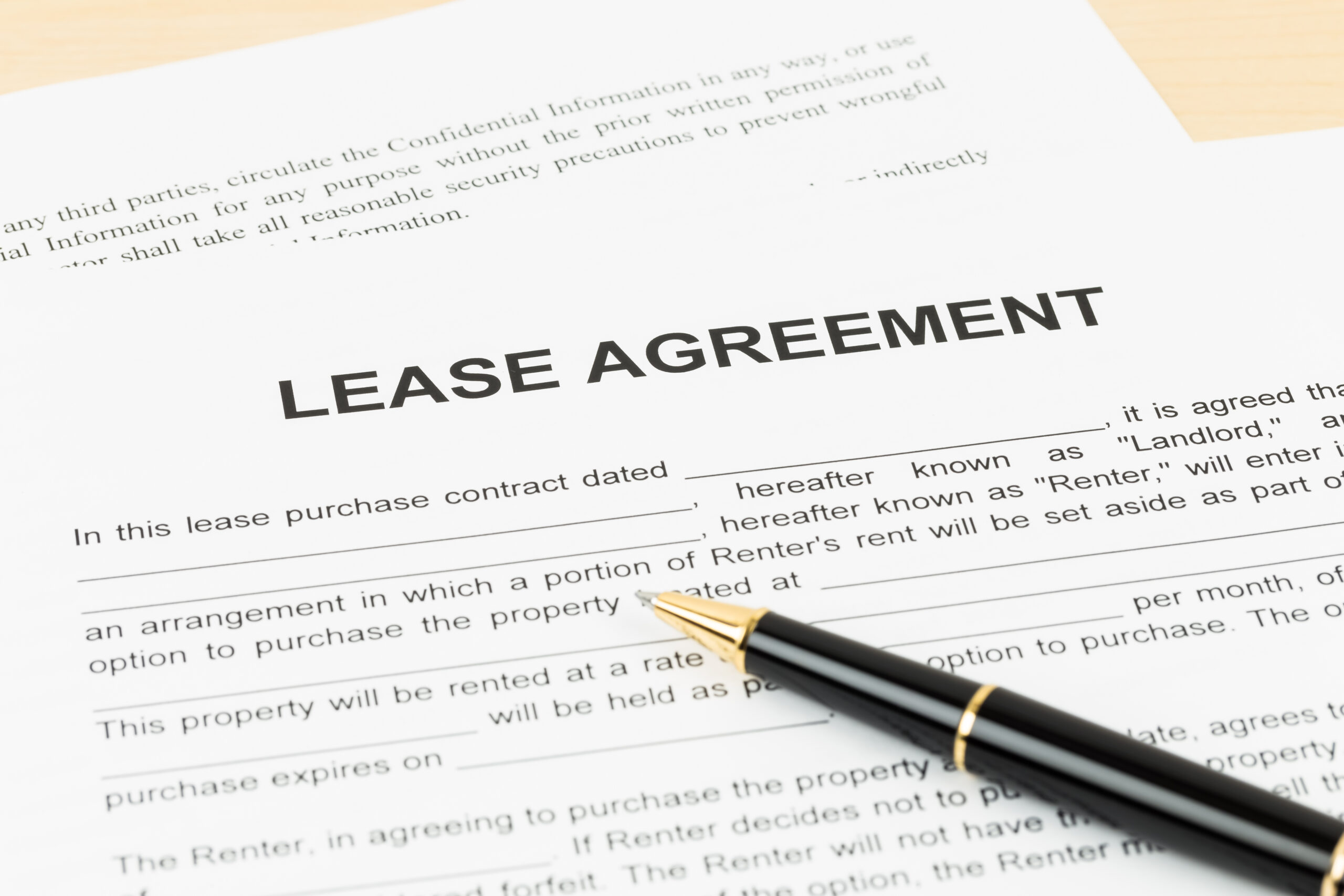
Post Occupancy Agreements and Their Importance To Florida Real Estate Law
When selling a property, there are many reasons a seller might need extra time in the home after closing. As a buyer, offering post-closing occupancy may be the key to making your offer stand out. However, that flexibility should never come without a formal, legally binding agreement. A written post occupancy agreement protects both parties and outlines expectations during the seller’s temporary stay after closing.
What Is a Post Occupancy Agreement?
A post occupancy agreement (also called a post-occupancy lease, lease-back, or rent-back agreement) is a legal document that allows the seller to remain in the home for a period of time after closing. This agreement transforms the seller into a tenant and the buyer into a landlord — and should explicitly fall under Florida’s landlord-tenant law to ensure proper legal protections for both sides.
Why a Post Occupancy Lease Agreement Matters
While a simple handshake might feel sufficient, real estate professionals and attorneys know that post-closing occupancy situations carry real risks. Here’s why you should always have a properly drafted post-occupancy lease agreement in place:
Establishes Clear Expectations
The agreement should define:
-
Length of stay
-
Rental payment amount and due dates
-
Responsibility for utilities and maintenance
Without written terms, misunderstandings can easily lead to disputes — or even litigation.
Enforces Florida Landlord-Tenant Law
By submitting the arrangement to Florida landlord-tenant law, both parties benefit from a more affordable and streamlined legal process. Without a formal post occupancy rental agreement, any disagreement may fall under “unlawful detainer” law, requiring a costlier and more time-consuming Circuit Court process instead of a quicker County Court summary procedure.
Outlines Financial Responsibilities
A proper post-closing occupancy agreement addresses:
-
Rent
-
Security deposits
-
Advance rent
-
Ongoing maintenance responsibilities
This clarity ensures neither party is left financially exposed.
Addresses Ongoing Maintenance Obligations
If a seller is remaining in the home, they should retain certain maintenance duties — but since their homeowners insurance typically ends at closing, there should be clear financial limits outlined to protect both sides.
Protects the Buyer (Landlord) with Insurance and Liability Terms
The agreement should:
-
Define landlord liability
-
Require renter’s insurance
-
Include indemnification clauses
A skilled real estate lawyer can draft language that fully protects the buyer’s interests under Florida post-occupancy law.
Covers Statutory Disclosures
Florida law requires landlords to provide specific disclosures, even for short-term arrangements. A well-drafted post-occupancy lease ensures full legal compliance from the start.
Key Elements to Include in a Post Occupancy Lease Agreement
Every post occupancy lease agreement should address these components:
-
Term of occupancy
-
Rent and security deposit
-
Assignment and default terms
-
Utilities, HOA responsibilities
-
Purchase contract incorporation
-
Insurance and indemnification
-
Move-out procedures
-
Statutory disclosures
Frequently Asked Questions About Post Occupancy Agreements in Florida
Is a post occupancy agreement required under Florida law?
Florida law does not require a post occupancy agreement by statute, but it is strongly recommended. Without a written agreement, both buyers and sellers face significant legal and financial risk if a dispute arises after closing.
How long can a seller remain in the home under a post occupancy agreement?
The length of post-closing occupancy is negotiable and should be clearly defined in the agreement. Most post occupancy arrangements are short-term, but even brief stays should be documented in writing.
Is a post occupancy agreement the same as a standard residential lease?
Not exactly. While a post occupancy agreement functions as a landlord-tenant relationship, it is typically customized to align with the underlying real estate transaction and may incorporate terms from the purchase contract.
What happens if the seller does not move out on time?
If the agreement is properly drafted under Florida landlord-tenant law, the buyer may pursue remedies such as eviction through County Court. Without a written agreement, removal may require an unlawful detainer action, which is more expensive and time-consuming.
Who is responsible for property damage during post occupancy?
Responsibility for damage should be clearly outlined in the agreement. Typically, the seller-tenant is responsible for damage beyond ordinary wear and tear, but insurance and indemnification provisions are critical to allocating risk properly.
Does the buyer need landlord insurance during post occupancy?
Yes. Once closing occurs, the buyer owns the property and should carry appropriate insurance coverage. The agreement should also require the seller-tenant to maintain renter’s insurance during the occupancy period.
Are HOA rules still enforceable during post occupancy?
Yes. Homeowner association rules and obligations continue to apply. A post occupancy agreement should specify responsibility for HOA fees, fines, and compliance during the seller’s continued occupancy.
Can a security deposit be withheld if the seller overstays?
If the agreement includes clear default provisions, a security deposit may be applied toward unpaid rent, damages, or holdover penalties. Without these provisions, enforcement can be difficult.
Should a real estate attorney draft the post occupancy agreement?
Yes. Because post occupancy agreements implicate Florida real estate law, landlord-tenant law, and contract law, attorney drafting or review helps ensure compliance, risk mitigation, and enforceability.
Don’t Risk It — Get Legal Protection with a Post Occupancy Agreement
Whether the seller is staying for one day or one month, a written post occupancy lease agreement is critical. This is more than a handshake deal — it’s a short-term landlord-tenant relationship governed by real estate and contract law.
Need help drafting or reviewing a post occupancy agreement in Florida? Our experienced real estate attorneys can guide you through the legal requirements, minimize risk, and ensure your rights are protected.
Contact us today to schedule a complimentary consultation.
